


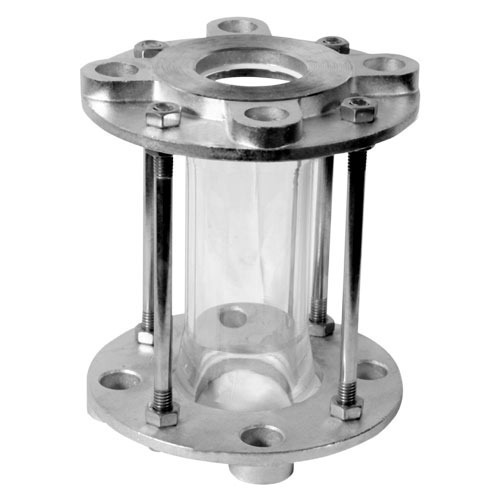
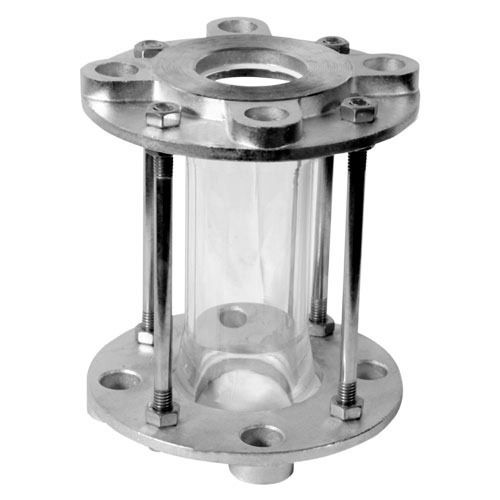
SEAT - PTFE / GFT
GLASS - BOROSILICATE WITH ACRYLIC GLASS COVER
STUD - SS 304, SS 316
END CONNECTION - FLANGE END ASA 150 / TC END
SIZE - 15 NB TO 200 NB
ALLEN BOLT DESIGN / PTFE BUSH DESIGN

Price:
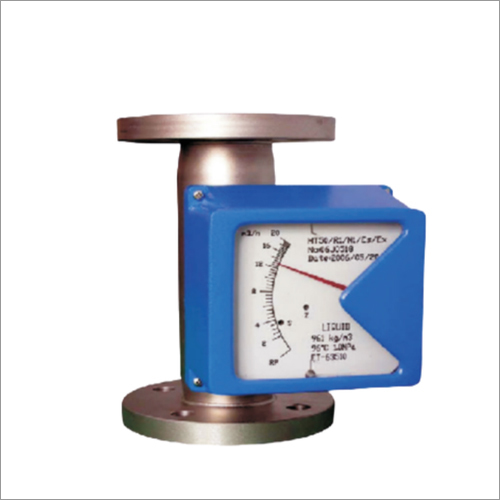
Price 1500 - 200000 INR / Number
Minimum Order Quantity : 50
Function : FLOW MEASUREMENT
Connection : PROCESS CONNECTION
Accuracy : +20%F.S.D PSI
Size : 0 TO700
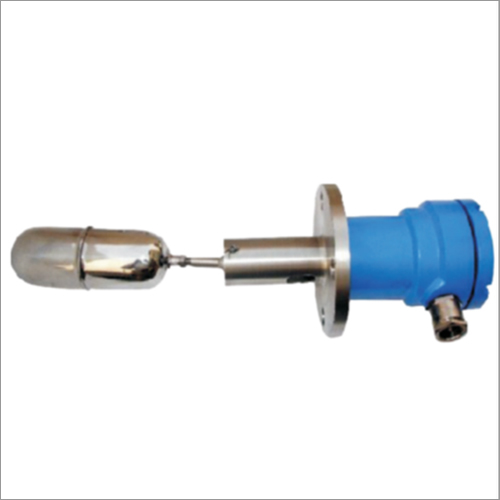
Price 1500 - 200000 INR / Number
Minimum Order Quantity : 100
Function : Liquid Level Sensing and Control
Connection : Flanged or Screwed (Customizable)
Accuracy : 5 mm
Size : Suitable for tanks with different heights and dimensions

Price 1500 - 200000 INR / Number
Minimum Order Quantity : 100
Function : Continuous liquid level measurement using magnetic float technology
Connection : Flanged or threaded, as per customer requirement
Accuracy : 10 mm
Size : Customizable, standard range 0.3 to 5 meters
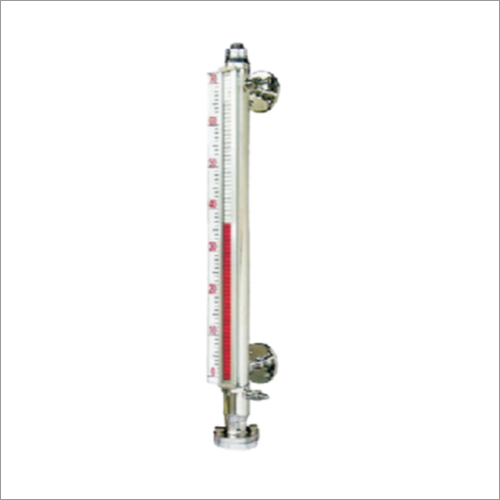
Price 1500 - 200000 INR / Number
Minimum Order Quantity : 1 Number
Function : Visual indication and monitoring of liquid levels in tanks and vessels by means of a magnetic float system.
Connection : Flanged (ANSI, DIN, JIS) or threaded connections as required
Accuracy : 10 mm
Size : Suitable for tank heights up to 5000 mm (customization available)
|


 |
LINEX FLOWSENSE LTE
All Rights Reserved.(Terms of Use) Developed and Managed by Infocom Network Private Limited. |

 Send Inquiry

 Send Inquiry